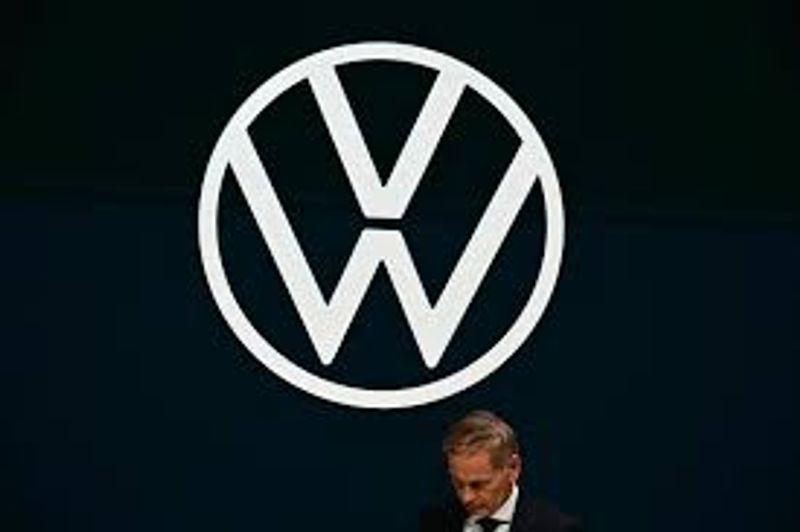
- Volkswagen plans to cut 50,000 jobs in Germany by 2030 amid sliding profits.
- Volkswagen CEO Oliver Blume confirmed that the cuts will span Volkswagen, Audi, Porsche, and Cariad
- The company's earnings fell 44% last year, lowest since 2016, hitting €6.9 billion ($8 billion)
- Volkswagen warns that current profit margins are unsustainable without further cost reductions
Volkswagen has announced plans to cut about 50,000 jobs in Germany by 2030 after the company’s profit dropped to its lowest level in nearly a decade.
According to the company’s annual report released Tuesday, March 10, the layoffs will affect workers across the Volkswagen Group’s operations in Germany as part of efforts to reduce costs and improve competitiveness.
“In total, around 50,000 jobs are due to be cut by 2030 across the Volkswagen Group in Germany,” Volkswagen CEO Oliver Blume said in a letter to shareholders.
The planned reduction expands an earlier agreement reached with labour unions at the end of 2024 to eliminate 35,000 positions by 2030, largely within the company’s core Volkswagen brand.
That move was part of a strategy aimed at saving 15 billion euros annually.
Blume noted that the additional cuts would also impact the group’s premium brands, including Audi and Porsche, as well as Volkswagen’s software subsidiary Cariad.
Europe’s largest carmaker has been grappling with several challenges in recent years. Even before tariffs were introduced by US President Donald Trump on non-American car manufacturers last year, Volkswagen was already facing slowing demand in Europe, the high costs of transitioning to electric vehicles, and declining sales in China.
The company, which once dominated China’s automobile market, has recently been losing ground to local competitors such as BYD and Geely, with sales in the country slipping behind those of the Chinese automakers.
Volkswagen reported that its earnings after tax fell by about 44 percent last year.
The decline was attributed to multiple factors, including US tariffs, intense competition in China, and the costly restructuring of Porsche.
At 6.9 billion euros (about $8 billion), the group’s earnings reached their lowest level since 2016, the year Volkswagen recorded massive financial hits from recalls and legal penalties linked to the Volkswagen diesel emissions scandal.
The company’s finance chief, Arno Antlitz, warned that the group’s current profitability level cannot be sustained without further cost reductions.
“Warning that the group’s profit margin was ‘not sufficient in the long run’, Volkswagen finance boss Arno Antlitz said further cost-cutting was needed to make the firm more competitive.”
“We can only realise this if we continue to rigorously reduce costs,” he said.
“That is what we will focus on in the coming months.”
Looking ahead, Volkswagen expects its core profit margin for 2026 to range between 4 percent and 5.5 percent, which could still fall below the adjusted 4.6 percent margin it recorded this year after accounting for restructuring expenses and Porsche’s shift back toward petrol-powered vehicles.
The group had earlier warned of a possible 5.1 billion-euro financial impact for the year after Porsche lowered its medium-term profit outlook and announced plans to continue selling petrol cars longer than originally planned due to weak demand for its electric vehicles.
Volkswagen said its forecast assumes that tariffs introduced by Trump last year will remain in place.
The company also cautioned that “uncertainties regarding restrictions in international trade and geopolitical tensions” along with “volatile” commodity and energy markets could pose further challenges in the months ahead.