- President Bola Tinubu has extended the raw shea nut export ban for one year to boost local processing and industrial growth
- The policy aims to deepen value addition, create jobs in shea-producing communities and increase export earnings from higher-value products.
- The government ordered a unified framework for the shea value chain to align industrialisation and trade priorities
President Bola Ahmed Tinubu has approved a one-year extension of the ban on the export of raw shea nuts, reinforcing his administration’s strategy to boost domestic processing and strengthen Nigeria’s industrial base.
The renewed restriction will be in force from Wednesday, February 26, 2026, to February 25, 2027, according to a statement by the Special Adviser to the President on Information and Strategy, Bayo Onanuga.
The government said the policy aligns with efforts to deepen value addition, create jobs in shea-producing communities and increase export earnings from higher-value shea products.
To ensure coordinated implementation, the President directed the two Ministers in the Federal Ministry of Industry, Trade and Investment and the Presidential Food Security Coordination Unit to develop a unified framework for the shea value chain.
The framework is expected to harmonise industrialisation, trade and investment priorities across production and processing sectors.
The administration also approved the adoption of an export framework developed by the Nigerian Commodity Exchange and ordered the withdrawal of all previously granted waivers for direct raw shea nut exports.
Going forward, any surplus raw shea nuts must be exported exclusively under the NCX framework in line with approved guidelines.
Furthermore, the President directed the Federal Ministry of Finance to create a dedicated financial support mechanism to strengthen production and processing capacity in shea-producing regions. This initiative aims to enhance livelihoods and expand investment in the shea value chain.
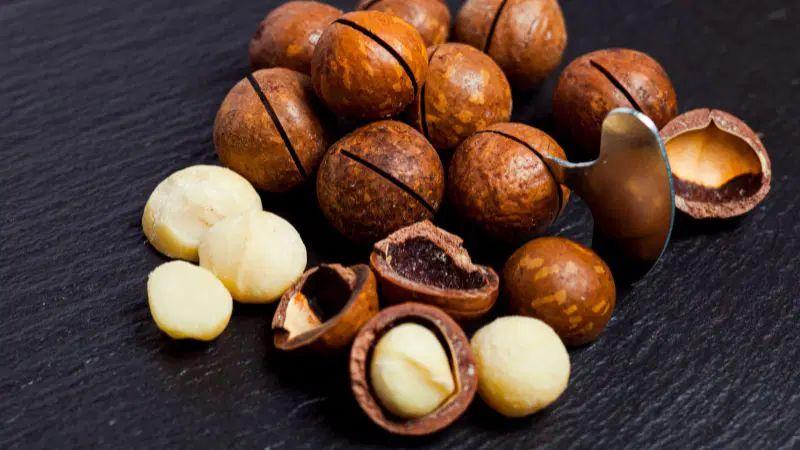
Shea nuts, which grow abundantly in Nigeria’s savanna belt, are processed into shea butter, a product widely used in cosmetics, pharmaceuticals and food industries.
Processed shea butter typically commands 10 to 20 times the value of raw nuts in international markets, making local processing significantly more profitable.
By extending the export ban, the Federal Government seeks to discourage low-value commodity exports and promote domestic manufacturing, higher export revenues and sustainable economic growth.
The administration reiterated its commitment to policies that foster inclusive development and strengthen Nigeria’s position in global agricultural value chains.