- FG commenced implementation of Executive Order 9 to remit oil revenues directly into FAAC
- NNPC’s 30% management fee and frontier exploration fund deductions were suspended
- A technical subcommittee was established to develop transition guidelines within three weeks
The Federal Government of Nigeria has begun implementing Executive Order 9 of 2026, which mandates the direct remittance of oil revenues into the Federation Account Allocation Committee (FAAC).
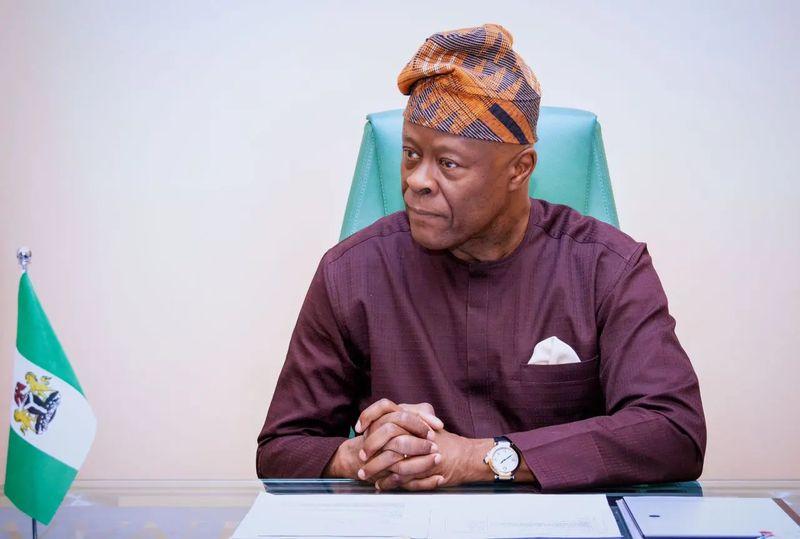
The Minister of Finance and Coordinating Minister of the Economy, Wale Edun, announced the move on Monday following the inaugural meeting of the implementation committee tasked with enforcing the order.
The order stems from a directive by President Bola Tinubu, requiring that revenues from petroleum operations be managed strictly according to constitutional provisions to protect allocations due to the federal, state, and local governments.
Edun explained that under the new order, the NNPC Limited will immediately cease collecting the 30 per cent management fee and the 30 per cent frontier exploration fund deductions from profit oil and profit gas under Production Sharing Contracts. Payments of gas flare penalties into the Midstream and Downstream Gas Infrastructure Fund (MDGIF) have also been suspended.
The minister further clarified that direct payments by contractors into the Federation Account will respect existing contractual and financing agreements to maintain investor confidence. A transition period has been approved to ensure operational stability.
“Until detailed guidelines are issued, contractors will continue to remit under the existing framework to ensure stability and predictability in the sector,” Edun said.
A technical subcommittee has been established to develop comprehensive transition guidelines within three weeks and review the Petroleum Industry Act to address structural and fiscal issues affecting federation revenues. The subcommittee will be led by the Special Adviser to the President on Energy and include the Solicitor-General of the Federation, the Permanent Secretary of the Federal Ministry of Justice, the Chairman of the Nigeria Revenue Service, and the Chairman of the Forum of Commissioners of Finance.
Edun assured that the committee would provide coordinated guidance throughout the implementation process, reaffirming a commitment to transparency and accountability.
“We remain committed to transparency, accountability, and ensuring that Nigeria’s petroleum resources translate into measurable benefits for citizens across the federation,” he stated.
This policy marks a major reform in Nigeria’s petroleum revenue management, aiming to streamline fund allocation and enhance oversight across all tiers of government.