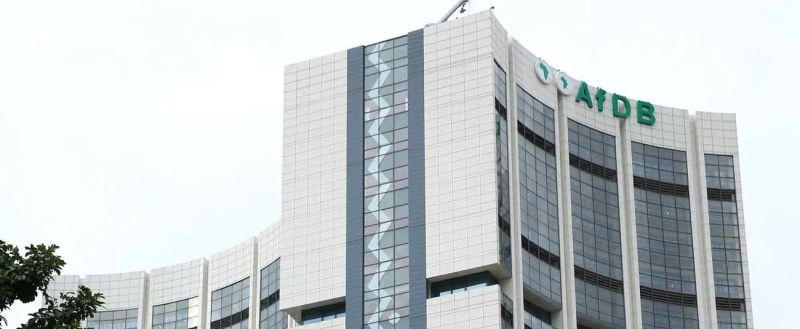
- The African Development Bank said African countries could generate over $469bn annually by improving tax administration
- AfDB Chief Economist Kevin Urama explained that revenue gains would come from efficiency, digitisation, and stronger institutions rather than higher tax rates
- The bank urged governments to strengthen governance and public service delivery to improve tax compliance and reduce fiscal deficits
The African Development Bank (AfDB) has said that African countries could generate more than $469bn in additional annual revenue without increasing statutory tax rates, if they improve tax administration and strengthen institutional efficiency.
The disclosure was made by the Chief Economist and Vice President for Economic Governance and Knowledge Management at the African Development Bank, Prof Kevin Urama, during an interview with the News Agency of Nigeria in Abuja on Wednesday.
Urama explained that the continent’s revenue challenge is not solely about tax rates but about efficiency, compliance, and governance reforms within revenue systems.
According to him, improved digitalisation of tax systems, stronger public institutions, and better service delivery would significantly enhance voluntary tax compliance across African economies.
“We see that by improving tax administration through digitisation and other reforms, just adopting best practices, the continent can mobilise more than $469bn extra without increasing tax rates,” he said.
He emphasised that the potential revenue boost lies in closing administrative gaps rather than introducing new or higher taxes, noting that many governments currently lose substantial income due to inefficiencies and weak compliance structures.
Urama also observed that citizens are often reluctant to pay taxes because they do not consistently receive adequate public services such as electricity, potable water, and good road infrastructure.
He argued that improving transparency, accountability, and public service delivery would help rebuild trust between governments and citizens, thereby increasing voluntary tax compliance.
According to him, stronger governance systems are essential to strengthening the “social contract” between the state and taxpayers.
The AfDB official added that the institution is currently supporting several African countries, including Nigeria, in strengthening domestic resource mobilisation through technical assistance and capacity-building programmes for national revenue authorities.
He also highlighted the development of a Public Service Delivery Index by the bank, which is designed to encourage governments to improve service delivery outcomes and enhance efficiency in the use of public resources.
Urama stressed that sustainable development financing for Africa must increasingly rely on internally generated resources rather than external borrowing, given the continent’s rising debt pressures.
The AfDB’s projection comes at a time when many African economies are seeking innovative ways to boost revenue, reduce fiscal deficits, and fund critical infrastructure and social development projects without placing additional tax burdens on citizens.