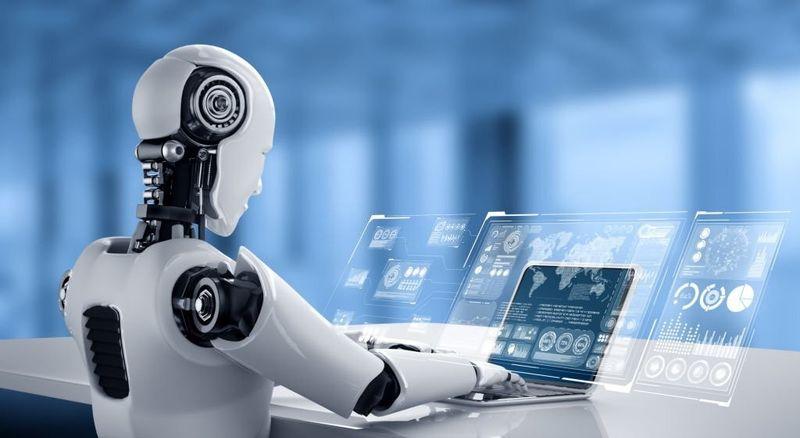
- Coding and robotics are becoming an important part of education as Nigerian schools prepare students for a technology-driven future
- Beyond programming, these skills help students develop problem-solving, creativity and critical thinking while opening doors to global career opportunities
- As STEM education expands, more young Nigerians are gaining the digital skills needed to thrive in tomorrow's workforce
Not long ago, coding and robotics were seen as specialised skills reserved for university students or technology professionals. Today, that's changing. Across Nigeria, more primary and secondary schools are introducing coding clubs, robotics competitions and STEM (Science, Technology, Engineering and Mathematics) programmes to prepare students for a rapidly changing world.
The shift reflects a growing recognition that tomorrow's jobs will require more than traditional classroom knowledge. As technology becomes part of everyday life, digital skills are becoming just as important as reading, writing and mathematics.
So, why are coding and robotics becoming a bigger part of Nigerian education?
1. The jobs of the future will require digital skills
Technology is transforming almost every industry.
Banks use artificial intelligence to improve customer service. Farmers rely on digital tools to monitor crops. Hospitals increasingly depend on technology for diagnosis and record-keeping, while businesses use software to manage operations and reach customers online.
Even careers that aren't traditionally considered "tech jobs" now require some level of digital literacy. Learning coding and problem-solving early gives students skills that can be useful across a wide range of professions.
2. Coding teaches problem-solving, not just programming
Many people assume coding is only about writing computer programs.
In reality, learning to code also teaches students how to think logically, break complex problems into smaller parts and develop step-by-step solutions. These are valuable skills that apply beyond technology, helping students approach challenges more creatively and systematically.
3. Robotics brings classroom learning to life
Reading about science is one thing; building a working robot is another.
Robotics allows students to apply concepts from mathematics, physics and engineering through hands-on projects. Instead of simply memorising theories, learners can see how different ideas work together to solve real-world problems.
This practical approach often makes learning more engaging and memorable.
4. STEM education encourages innovation
Many of today's most successful entrepreneurs began by experimenting, building and asking questions.
STEM education creates opportunities for students to explore ideas, test solutions and learn from failure. Whether they're designing simple machines, creating mobile apps or programming robots, students develop an innovative mindset that can benefit them throughout their lives.
Innovation begins with curiosity, and STEM classrooms help nurture that curiosity.
5. Students gain skills that are useful worldwide
Digital skills have become increasingly transferable across borders.
A student who learns programming, data analysis or robotics in Nigeria can apply those skills in local startups, multinational companies or even remote jobs with international organisations.
As the global digital economy grows, technical skills are opening doors that extend far beyond traditional employment.
6. Girls are becoming more involved in STEM
For many years, science and technology fields were often viewed as male-dominated.
Today, more schools, non-profit organisations and technology communities are encouraging girls to participate in coding bootcamps, robotics competitions and STEM programmes. This growing inclusion is helping to create a more diverse technology ecosystem and inspire the next generation of female innovators.
7. Technology complements traditional education
Coding and robotics aren't replacing subjects like English, history or civic education.
Instead, they complement traditional learning by helping students apply knowledge in practical ways. A well-rounded education combines communication, creativity, critical thinking and technical skills—qualities that employers increasingly value.
Preparing students for the future means equipping them with both academic knowledge and digital confidence.
10 ways to protect your business from AI-themed malware scams
Meanwhile, TheRadar earlier compiled 10 practical 10-point checklists that explains simple cybersecurity habits every small business can adopt without needing a full IT department.
AI-themed malware scams are rising, and many Nigerian businesses are falling for fake AI software, chatbots, and productivity tools that secretly install malware.
From verifying AI tools to training staff and enabling multi-factor authentication, these steps can save your business from costly attacks.