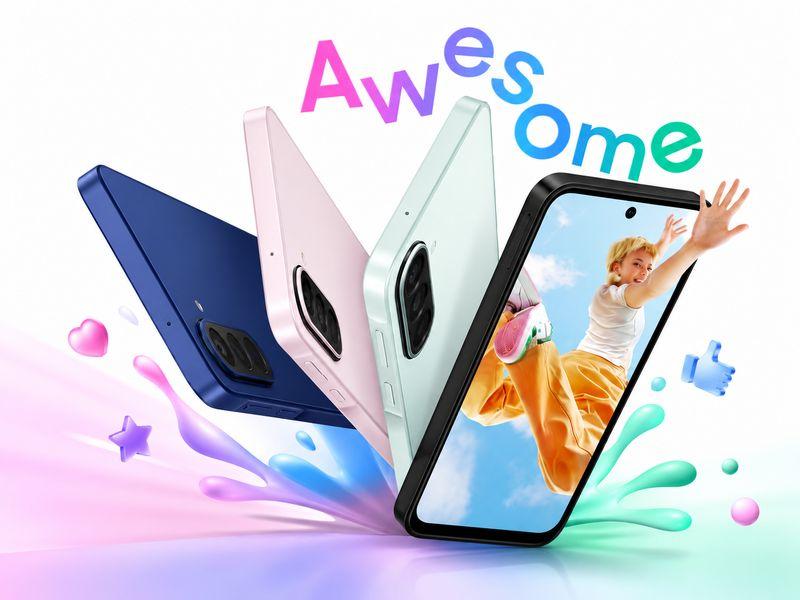
- Samsung Galaxy A27 5G is bringing premium AI experiences to the affordable mid-range smartphone segment
- It ships with One UI 8.5 based on Android 16 and promises six years of OS and security updates
- Powered by the Snapdragon 6 Gen 3 chipset, the phone stands out as a future-ready device thanks to its long software support and expanding AI ecosystem
Samsung's new entry-level phone for its 2026 A-series lineup, the Galaxy A27 5G, is built around three core strengths: a Snapdragon 6 Gen 3 chipset, a 120Hz Super AMOLED display, and an unusually long six-year commitment to OS and security updates.
According to 91mobiles' review, the phone's software and AI package stands out the most, earning a 9.0/10 software score and being called the strongest reason to consider buying the device.
TheRadar has compiled a detailed breakdown of what the Samsung Galaxy A27 5G brings to the table on the AI front.
A closer look into Samsung Galaxy A27 5G
1. A long runway for AI to keep improving
The Galaxy A27 5G ships with One UI 8.5 on top of Android 16, backed by six years of both OS upgrades and security patches.
That is a longer commitment than most competitors in the segment offer, and it matters for AI specifically: on-device AI features tend to improve with each software generation, so a phone that keeps receiving updates for six years is also a phone whose AI capabilities keep getting better long after purchase.
The review notes that no other phone in this price bracket currently matches this "6+6" support structure.
2. Circle to search gets smarter
Samsung's Circle to Search tool, which allows users draw a circle, scribble, or tap around anything on their screen to search it, has been upgraded on the A27 5G to support multi-object search within a single circle.
In practical terms, this means users no longer need to isolate one item at a time; they can circle multiple objects in a single gesture and get results for all of them together.
3. On-device photo editing
The A27 5G's AI-powered photo editing tools are notable for being fully on-device, meaning images are processed locally rather than being sent to the cloud. This bundle includes:
- A faster AI eraser: for removing unwanted objects or people from photos
- My Filter: Samsung's personalised filter-generation tool
- Nine AI-suggested edits: that offer automatic enhancement options for a given photo
Because processing happens on the phone itself, editing is quicker and photos never need to leave the device, which is also a privacy plus for users concerned about cloud processing of personal images.
4. AI calling features
The phone also includes a set of AI-driven calling tools aimed at accessibility and productivity:
- Live transcription of calls as they happen
- Voice focus which isolates the caller's voice from background noise
- Call captions providing real-time text of conversations
These features are particularly useful for users in noisy environments or those who benefit from text-based accessibility support during calls.
5. A broader AI assistant lineup
Rounding out the AI suite, the Galaxy A27 5G comes with on-device access to Google's Gemini, Samsung's own Bixby, and Perplexity, giving users a choice of AI assistants rather than locking them into a single ecosystem.
For buyers who prioritise a long software lifespan and a well-rounded AI feature set over category-leading charging speed or a higher IP rating, the Galaxy A27 5G's AI package including spanning search, photo editing, calling, and assistant flexibility is presented as one of its clearest selling points.
Paired with six years of updates, it positions the phone as a device whose AI capabilities are built to stay relevant well beyond the usual mid-range shelf life.
Samsung launches mass production of its next-generation AI memory chip
Meanwhile, TheRadar earlier reported that Samsung Electronics announced that it has started mass production of next-generation memory chips designed to power artificial intelligence, calling it an “industry-leading” breakthrough.
The high-bandwidth HBM4 chips are considered crucial for scaling up the massive data centres driving the rapid expansion of AI. US tech giant Nvidia, currently the world’s most valuable company, was expected to be among Samsung’s primary buyers.