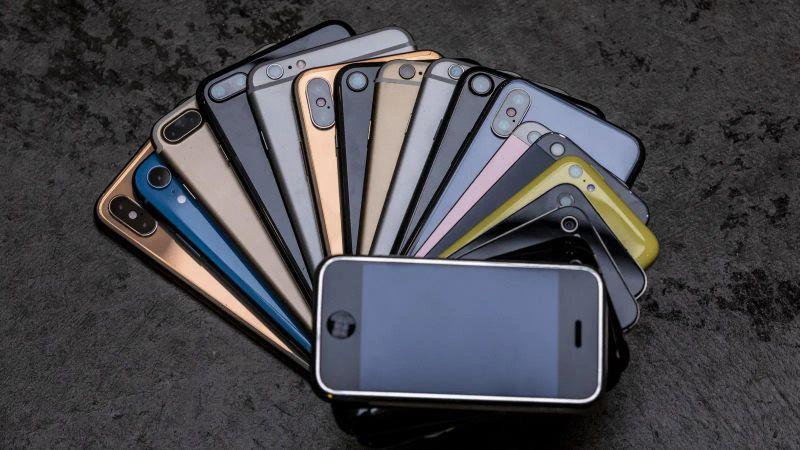
- Apple Inc. has updated its device support policy and expanded its obsolete and vintage device lists
- Phones that cannot run iOS 26 or receive security updates are more vulnerable to cyber threats and declining performance
- Users are encouraged to upgrade to supported models or refurbished devices to maintain security and app compatibility
Apple Inc. has updated its device support policy, warning users about smartphones that will soon become obsolete or vintage.
When an iPhone becomes obsolete, it no longer receives software security updates or hardware repairs, leaving it vulnerable to cyber threats, malware, and performance issues.
Without regular security patches, outdated phones may expose users to hacking, data breaches, and declining app compatibility.
Experts from ESET stress that vulnerabilities in unsupported devices can be exploited once discovered, making upgrades essential for digital safety.
iPhones now classified as obsolete
These models will no longer receive software updates or official repairs:
- iPhone 3G and 3GS
- iPhone 4 and 4S
- iPhone 5C and 5S
- iPhone 6 and 6 Plus
- iPhone 6s and 6s Plus (32GB)
- iPhone SE (1st generation)
Owners of these devices should consider upgrading, as they will no longer benefit from security patches or software improvements.
iPhones moved to vintage status
Vintage devices may still receive limited support, but parts and repairs are increasingly difficult to source:
- iPhone X
- iPhone XS and XS Max
- iPhone 11 Pro Max
- iPhone 6s (16GB, 64GB, 128GB)
- iPhone 7 series
- iPhone 8 lineup
Vintage devices may function normally but are nearing the end of official support, increasing security and compatibility risks.
iPads affected
Several older iPad models have been added to the obsolete and vintage lists, meaning reduced support and repair options.
Users of early iPad Air, iPad mini, and older iPad Pro models should verify their device status.
iOS 26 and software compatibility
Apple Inc. launched iOS 26 as its latest operating system in 2025. Devices that support iOS 26 receive ongoing security updates and feature enhancements.
Devices supporting iOS 26 include:
- iPhone 12 series and newer
- iPhone 13, 14, 15, and 16 lineups
- iPhone 11 and 11 Pro models
- iPhone SE (2nd generation and later)
- iPhone 17 series (launched with iOS 26)
Older devices cannot run iOS 26 but may continue receiving limited security updates depending on their classification.
Devices no longer receiving security updates
Phones that stopped receiving updates in 2026 include:
- iPhone 5s
- iPhone 6 and 6 Plus
- iPhone 6s and 6s Plus
- iPhone SE (1st generation)
- iPhone 7 and 7 Plus
- iPhone 8 and X series
These devices are at higher risk of cyber threats and may struggle with modern applications.
Why outdated phones pose security risks
Security experts warn that unsupported devices are vulnerable once hackers discover flaws. Without patches, attackers could:
- Access personal and banking information
- Exploit app vulnerabilities
- Install malware or spyware
- Cause system instability
Older phones may also slow down over time and become incompatible with newer applications.
What should users do
If your iPhone appears on the obsolete or vintage list, consider upgrading. A newer device ensures security updates, smoother performance, and compatibility with modern apps.
Upgrading does not require buying the latest model. Refurbished or certified used iPhones offer security support at lower prices while remaining fully functional.
Recommended upgrade options:
- iPhone SE (2nd or 3rd generation)
- iPhone 12, 13, or 14 series
- iPhone 15 and 16 models
- Refurbished devices with software support
Technology evolves quickly, and unsupported phones can expose users to security risks.
Checking your device’s status and upgrading when necessary helps maintain digital safety and optimal performance.