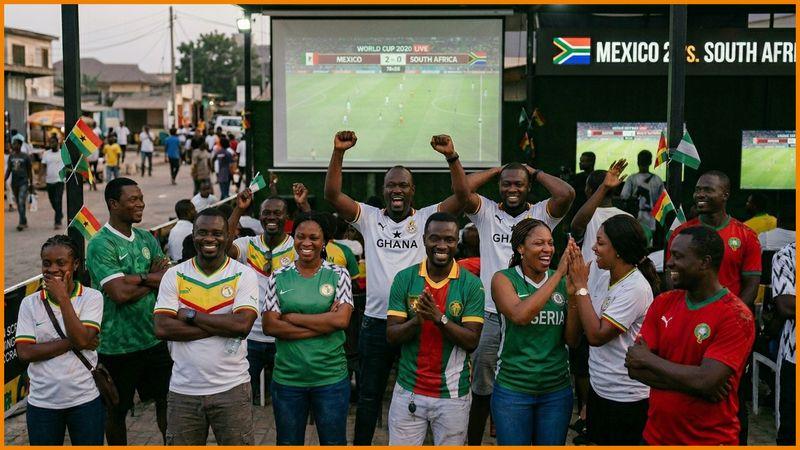
- Bafana Bafana’s opening 2-0 loss to Mexico has turned the 2026 World Cup into a "successful hate-watch" for Nigerians and the rest of Africa
- Recent xenophobic flares and the toxic "takeover" narrative have made it impossible for many Africans to separate the football from the real-world scars
- X (Twitter) exploded into a digital warzone as fans swapped continental solidarity for savage memes and a sudden alliance with Mexico
When Julián Quiñones netted that all-important first goal against South Africa in the 2026 World Cup opener which was played at the Estadio Azteca in Mexico City, a collective sigh of satisfaction echoed across many African living rooms. Especially here in Nigeria.
Forget continental solidarity for a minute; for many, it wasn't just a loss for Bafana Bafana, it was a 'successful hate-watch.' This phenomenon of Africa hate-watching South Africa World Cup 2026 is real. But why are so many Africans, particularly Nigerians, rooting against their Southern African counterparts?
The age-old rivalry: More than just football
Let's be real, the Nigeria-South Africa beef isn't new. It's a simmering pot of history, economics, and a fierce battle for continental bragging rights. From music to movies, and now, football, the competition is intense. So when South Africa takes to the global stage, it's not just about the beautiful game; it's about who gets to wear the crown of African giants.
Bafana's Blunders: Giving the Haters Ammo
South Africa's 2-0 defeat to Mexico wasn't just a bad day at the office; it was a performance that handed critics a megaphone. Two unwanted records set, a lacklustre attack, and a defense shakier than a Lagos danfo on a bad road. When you're being 'hate-watched,' every stumble is magnified, every missed pass a reason for a Twitter meme. And trust, the memes are flowing.
Xenophobia hangover
This is where it gets deep, and frankly, ugly. The painful memories of xenophobic attacks against other Africans in South Africa still sting, and they've been flaring up again as recently as May and June 2026. Incidents in Alexandra, Johannesburg, and other areas have seen foreign nationals, including Nigerians, Mozambicans, and Zimbabweans, targeted. These attacks are often fuelled by a dangerous narrative: that other Africans are 'taking over' jobs, resources, and opportunities meant for South African citizens. For many, supporting Bafana Bafana feels like condoning these actions, making it impossible to separate the football from the real-world pain. It's a tough truth, but it's a massive part of the narrative.
Who's the real African giant? The battle continues
Every World Cup is a chance for an African nation to shine. When one stumbles, others see an opportunity. Nigeria, Ghana, Senegal – we all want to be the ones flying the flag highest. So, when South Africa struggles, it subtly shifts the narrative, opening up space for other nations to claim that top spot. It's a ruthless game, both on and off the field.
Nigeria kings of social media banter
If there's one thing Nigerians excel at, it's social media banter. The moment South Africa conceded, Twitter (or X) became a warzone of hilarious and savage trolling. From jokes about their performance to declarations of allegiance to Mexico, the online world is having a field day. It’s not just about football; it’s about the culture of banter that defines our digital interactions.
With South Koreans up next, many Nigerians and other Africans are already identifying as Koreans. Whatever makes hate-watching successful, innit?
How many times has Nigeria played at the World Cup?
In an earlier article, TheRadar reported the number of times that Nigeria's Super Eagles have participated in a World Cup tournament.
Nigeria's first appearance at the global tournament was at the USA 1994 before going on to grace many other editions.