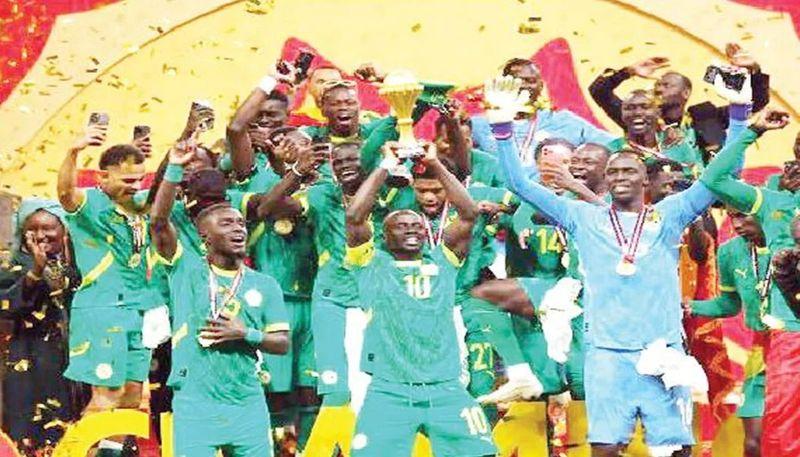
- CAF ruled Morocco the winner of the 2025 AFCON final after Senegal walked out
- Senegal condemned the decision and announced plans to appeal to the Court of Arbitration for Sport
- Players expressed frustration, while Morocco welcomed the ruling and awaited CAS review
The Confederation of African Football’s (CAF) Appeals Board has overturned the 2025 Africa Cup of Nations (AFCON) final result, awarding Morocco a 3–0 victory following Senegal’s temporary walkout. The board ruled that Senegal’s actions violated Articles 82 and 84 of the AFCON regulations, which stipulate that any team refusing to continue play or leaving the pitch without the referee’s consent forfeits the match.
The decision sparked immediate outrage from the Senegalese Football Federation, which described the ruling as “unfair, unprecedented and unacceptable,” warning that it could tarnish African football’s reputation. Secretary-General Abdoulaye Seydou Sow confirmed plans to challenge the verdict at the Court of Arbitration for Sport (CAS) in Lausanne. “We will engage our lawyers and file an appeal. We will stop at nothing. The law is on our side,” he said.
Star player Sadio Mané, who had helped prevent the final from being abandoned, criticised what he described as systemic corruption in African football. “What happened has gone too far. This is not the football we fight for, nor the Africa we believe in. There is too much corruption in our sport, and that is killing the passion of millions of fans across the continent,” Mané wrote on Instagram.
Defender Idrissa Gueye took a reflective approach, posting that the players’ experience on the pitch could not be erased. Striker Ilimam Ndiaye expressed his frustration more bluntly, posting simply, “Come and get it if you can.”
By contrast, the Royal Moroccan Football Federation welcomed the decision, emphasising that their appeal was intended to ensure proper application of the rules, not to question sporting merit. A Moroccan journalist told the BBC that the ruling was celebrated domestically, though Morocco would respect a CAS reversal if it occurred.
The ruling has also provoked political fallout. The Senegalese government called for an independent international investigation into CAF, alleging corruption and highlighting the potential conflict of interest posed by Fouzi Lekjaa, who also serves as CAF’s first vice-president.
CAF’s former head of disciplinary, Raymond Hack, questioned the ruling, noting that the referee allowed the match to continue into extra time, signalling his satisfaction with the game’s continuation. Hack described the situation as “the circus continues,” highlighting the broader governance concerns raised by the controversy.
In an official statement, Senegal’s government condemned the ruling as a “grossly illegal and deeply unjust decision,” asserting that it represented a “manifestly erroneous interpretation of the regulations” and reiterating its rejection of what it termed an “unjustified attempt at dispossession.”
The dispute is now set to move to the international stage, with CAS expected to hear Senegal’s appeal in the coming weeks, keeping the African football world in suspense.